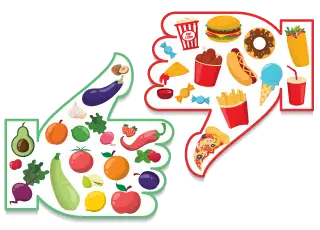
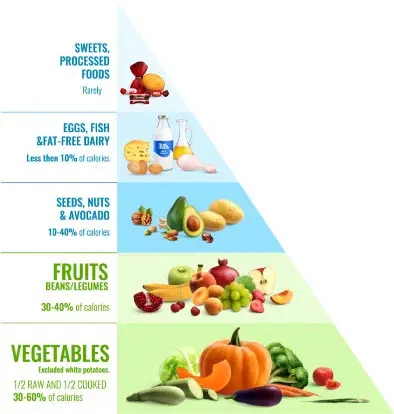
You may wonder isn’t fat bad for you, but your body needs some fat from food. It’s a major source of energy. It helps you absorb some vitamins and minerals. Fat is needed to build cell membranes, the vital exterior of each cell, and the sheaths surrounding nerves. It is essential for blood clotting, muscle movement, and inflammation. For long-term health, some fats are better than others.
Cholesterol is a type of lipid, just as fats are. However, unlike fat, cholesterol can’t be exercised off, sweated out or burned for energy. It is found only in animal products, including meat, chicken, fish, eggs, organ meats and high-fat dairy products. The body transports fat and cholesterol by coating them with a water-soluble “bubble” of protein. This protein-fat bubble is called a lipoprotein.
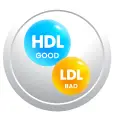
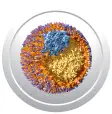
LDL cholesterol is considered the “bad” cholesterol, because it contributes to fatty build-ups in arteries (atherosclerosis). This narrows the arteries and increases the risk for heart attack, stroke and peripheral artery disease (PAD).
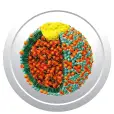
HDL cholesterol can be thought of as the “good” cholesterol because a healthy level may protect against heart attack and stroke.
HDL carries LDL (bad) cholesterol away from the arteries and back to the liver, where the LDL is broken down and passed from the body. But HDL cholesterol doesn’t completely eliminate LDL cholesterol. Only one-third to one-fourth of blood cholesterol is carried by HDL.
HDLs and LDLs are found only in your blood, not in food.
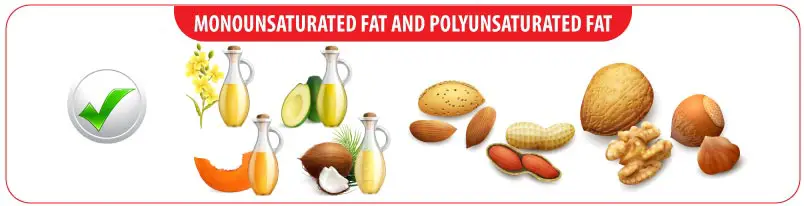
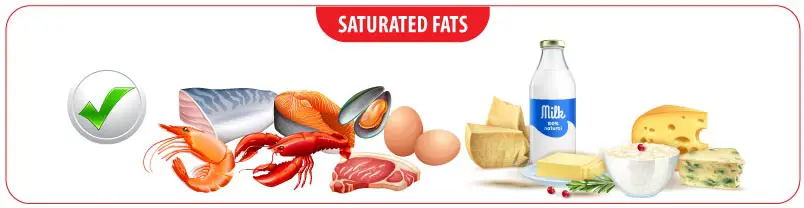
The fats that supply calories, float in your blood and accumulate in your thighs and hips are called “triglycerides.” They can be saturated or unsaturated, and the unsaturated ones can be either monounsaturated or polyunsaturated. For every gram of triglycerides you eat, you add 9 calories to your diet. Only saturated fats increase blood levels of cholesterol and heart-disease risk.
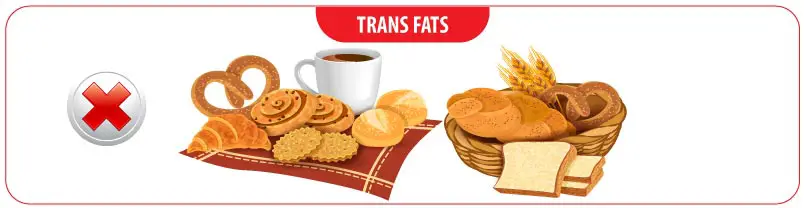
Trans fatty acids constitute up to 60 percent of the fat in processed foods containing hydrogenated fats. TFAs raise blood-cholesterol levels and increase heart-disease risk just like saturated fats.
0